How to Spot Flood, Salvage, and Auction Damage Before You Pay
Visual and paperwork clues for water, fire, and rebuilt cars. Imports make this a standing risk, and a fresh polish does not erase it.
Iraq buys a lot of cars from somewhere else. That is normal. It also means flood cars, fire cars, and auction rebuilds keep showing up in private adverts described as "clean" or "GCC." Officials have said severely damaged, submerged, and burned used cars are not what the country wants at the border. Cars already in the country, and cars whose papers were softened on the way, are still a buyer's problem. This guide is about clues. It is not a guarantee you will catch every bad car, and it is not legal advice.
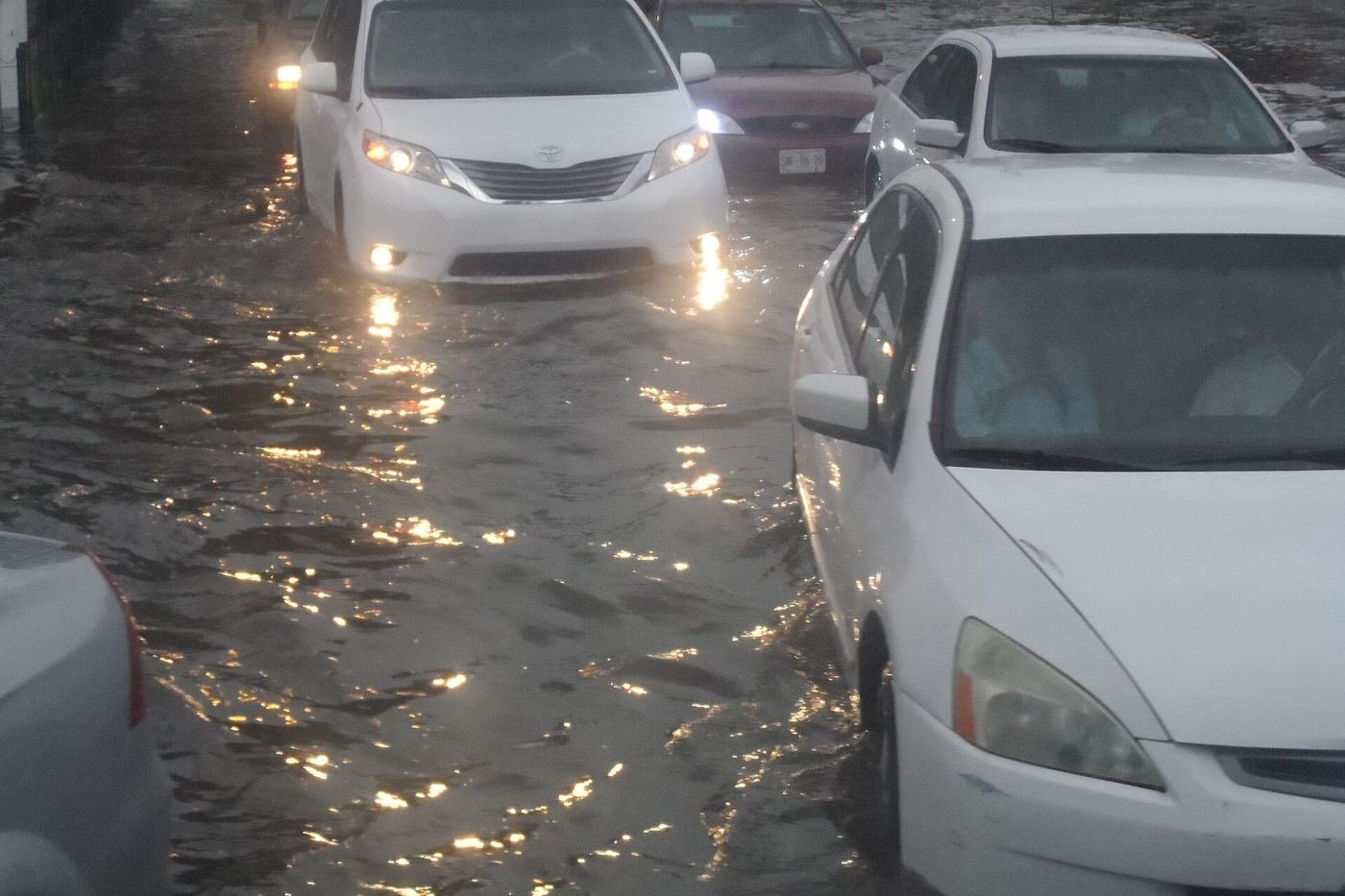
The photo shows vehicles on a flooded street. It is an illustration of water exposure, not a named auction car and not an Iraqi scene.
Start with the story, then test it
Ask, in the chat, whether the car has ever been an insurance total, a salvage or rebuilt title, a flood car, or a fire car. Save the answer. Sellers who say "no" and then refuse a chassis photo have answered a different question.
If the car is still outside Iraq, read the auction listing yourself. Do not rely on a cropped screenshot. Auction sites label salvage, flood, and hail more often than the local advert will. If you cannot see the original listing, assume you do not know the history.
Reported COSQC and trade-ministry comments have said submerged, burned, and severely crash-damaged used imports are not allowed. Confirm the current definition with customs and COSQC before you bid. A seller who says "they plate these all the time" is not the authority.
Water: what to look at
Flood damage is not only a tide line on the doors, though a line in the carpet or on the door card is a classic clue. Silt hides in places a detailer skips.
- Pull a corner of the carpet if you are allowed, or lift a sill trim. Grit, a mud line, or a carpet that is newer than the rest of the interior matters.
- Smell the cabin with the doors closed and the AC off. A sweet or musty smell that returns after airing is a clue, not a conviction.
- Look at seatbelt webbing near the floor, at the spare-wheel well, and under the dash at connectors. Corrosion on terminals that are otherwise in a dry cabin is hard to explain with "we washed it."
- Check lamp housings for a water line or fog that sits in the bottom of the lens.
- Look at the trunk wells and the area around the battery for debris that is not ordinary dust.
None of these alone prove a flood. Together, with a seller who will not allow a lift, they are enough to walk away. A car can also be wet from a leaking heater or a sunroof. Ask which it is, and look at whether the damage is low and even, which fits standing water, or local, which fits a leak.
Fire and heavy crash repair
Fire leaves smell, melted plastics in hidden places, and wiring that has been wrapped in a hurry. Look under the dash and along the sills. A clean engine bay next to a scorched bulkhead is a story.
Crash repair is panel fit, paint texture, and structure. Stand at each corner and sight down the sides. Doors that close only when lifted, a bumper cover that does not match the gap, and overspray on rubber seals are ordinary clues. On a lift, look for bent rails, wrinkled seam sealer, and welds that do not match the factory pattern. Fresh underseal on one rail is a reason to look harder, not a reason to relax.
Airbags are part of this check. A steering wheel, dash, or seat that looks newer than the rest of the car, or a warning lamp that stays on, needs an explanation you can verify. Do not accept "the light is normal on this model" without a second opinion.
Paperwork clues
Titles and export certificates sometimes say salvage, rebuilt, flood, or a brand that means the insurer paid out. Translation can soften those words. Ask to see the original language, not only an Arabic or English summary. Compare the VIN on that paper with the car.
A car sold with a bill of sale and no prior registration, "freshly cleared" with no packet, or with a chassis plate that looks riveted yesterday, is a paperwork problem even if the paint is perfect. Match numbers the way the buying guide describes.
Service books that skip the year the car was supposedly imported, or stamps from a city the seller cannot point to on a map, are soft clues. They support a decision. They do not replace the VIN.
Auction habits that hide damage
Auction photos are taken to sell, not to confess. Look for missing photos of the underside, the trunk floor, and the rocker panels. Look for a description that lists "minor dents" on a car whose structure looks tired. If a local trader will not share the lot number, you cannot do this check. That is useful information.
Once the car is repainted locally, the auction photo may be your only before picture. Save it.
What to do when you are unsure
You do not need to accuse anyone. You can say you are not comfortable and leave. Compare other cars on Suuqak rather than talking yourself into the one in front of you. If you already paid a deposit against the advice in the buying guide, stop sending more money while you verify the VIN.
Check before you buy
Border rules on salvage and flood cars are set by authorities, not by this page. Read the import checklist, then confirm with customs and COSQC. Statements reported in late 2025 said damaged, flooded, and burned used vehicles were not to be imported. Verify whether that is the rule on the day you buy.
Sources
COSQC: cosqc.gov.iq. Official comments on damaged and submerged imports, as reported by Shafaq News and other Iraqi outlets. Regional inspection guides from DubiCars discuss flood clues in similar practical terms. This article is not legal advice.