Iraq Car Import Checklist: Customs, Conformity, and Registration
Documents, conformity expectations, and the questions to settle before a car clears and plates up. Rules change, so this is a checklist, not a clearance.
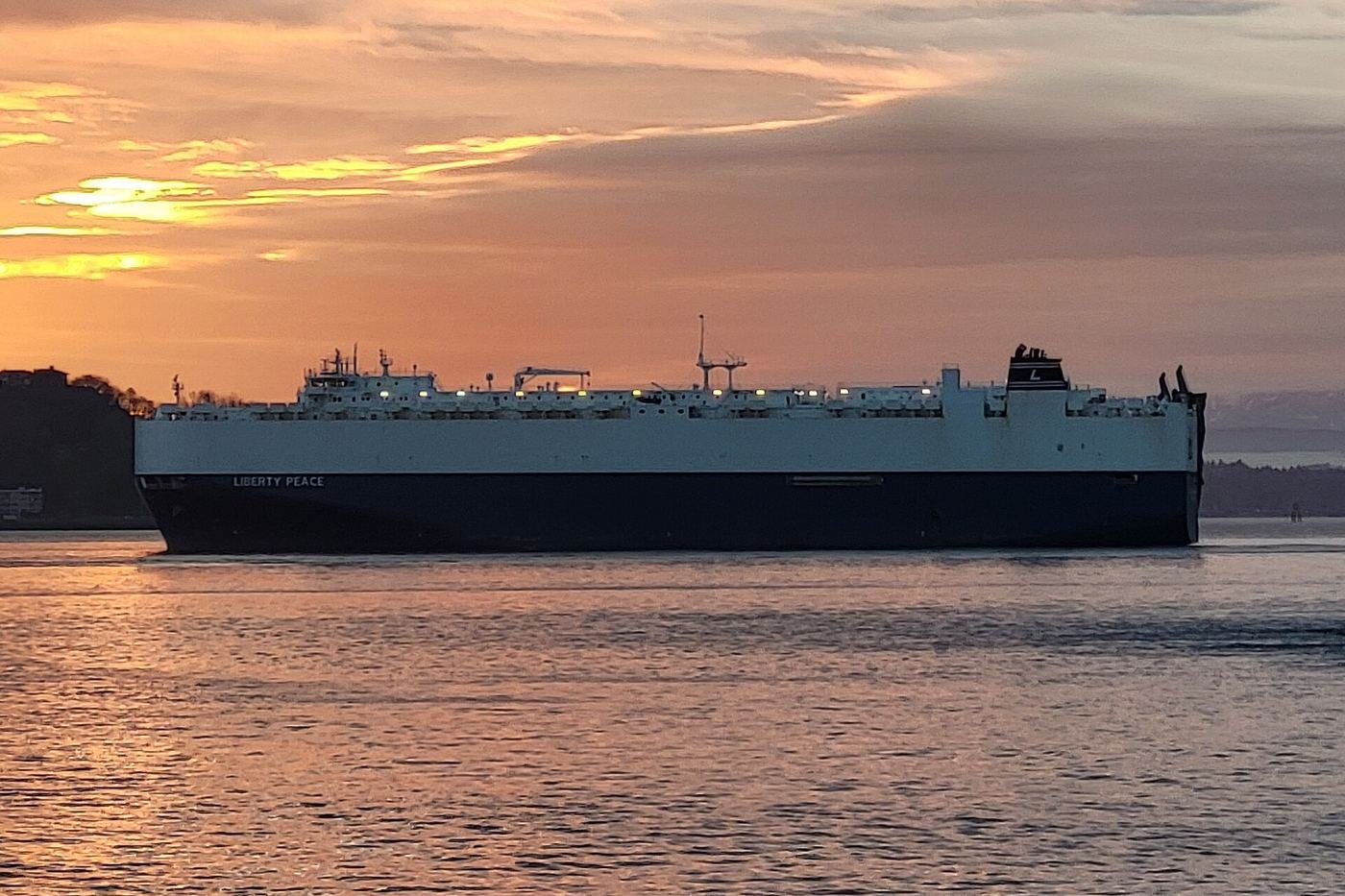
Importing a car into Iraq is a sequence of documents and inspections, not a single stamp at the border. The sequence changes. Fees, model-year cutoffs, and marking rules have all moved in public debate over the past few years. This article lists what official pages and official statements have described, and where you must check again before you pay a shipper. It is not legal advice, and it is not a quote for duty.
The photo shows a vehicle carrier at sea. It is an illustration of how cars move in bulk, not a picture of an Iraqi port.
This is not a clearance certificate
Before you wire money for a car that is still abroad, ask a licensed clearing agent and the border post you will actually use what they require this month. Do not treat a blog, a dealer WhatsApp note, or a last year's invoice as the rule. The Central Organization for Standardization and Quality Control (COSQC) publishes conformity material, and customs publishes its own instructions. If those two sources disagree with a broker, stop and ask COSQC or customs in writing.
What COSQC has published about conformity
COSQC's vehicle page describes a unified inspection and conformity process tied to Iraqi standard IQS 5072 (road vehicles, conformity assessment and certificates) and to engineering requirement 167, which the page says follows Gulf standard GSO 42. The same page asks importers to provide a type conformity certificate from the GCC Standardization Organization (GSO), obtained through the official distributor or agent, and a list of vehicle identification numbers for the cars being imported. It points importers to COSQC headquarters and to the inboxes vehicle.insp@cosqc.gov.iq and vehicles.insp@gmail.com.
That page refers to gazette notices from 2019 about when those requirements became mandatory. It is still the public COSQC explanation of the document set. Confirm that it remains the operative process before you rely on it. Standards bodies update methods without rewriting every essay on the site.
What officials have said about 2026 marking and damaged cars
In late 2025, COSQC's president, Fayad al-Dulaimi, told Shafaq News and other outlets that an Iraqi vehicle standard and a marking provision would be applied from the start of 2026, and that vehicles would need to meet technical requirement 167. He also said Iraq does not allow used cars that have suffered major accidents, fire, or submersion. Trade ministry comments carried by Iraqi news agencies described the same start-of-2026 timing for the technical specification, and described a ban on severely damaged, flooded, and burned vehicles.
Those are reported statements by officials, not a statute reproduced here. Read the current instruction from COSQC and from customs before you bid on a salvage auction car. A foreign "rebuilt" title does not become acceptable because a seller says the welds look fine. If the rule you are relying on is "damaged cars cannot enter," verify the definition of damage with the authority, not with the auction listing.
Separate reporting has also described cabinet restrictions on some small three-wheelers and similar vehicles. If your shipment is not an ordinary passenger car, ask specifically. Do not assume a passenger-car rule covers a motorcycle, a tuk-tuk, or a commercial chassis.
A practical checklist before the car is shipped
- Identify the exact VIN and keep a photo of the auction or dealer listing next to it.
- Ask whether the car is new, used and clean, or a salvage, flood, or fire vehicle. If it is the third kind, assume it may be refused until an authority tells you otherwise.
- Ask your broker which conformity certificate applies: a GSO type certificate for the model, a VIN list, a marking label, or an inspection at the port. Get the answer against the COSQC page, not only against habit.
- Ask which original documents travel with the car: invoice, title or export certificate, bill of lading, and any translation the post requires. This article will not invent that list. Your post will.
- Agree who pays storage if the car sits because a paper is missing. That cost is a contract term, not a figure this site can quote.
- Decide where the car will be registered after clearance. Federal Iraq and the Kurdistan Region do not share one casual process. Kurdistan24 and other outlets have reported on plate and registration changes. Confirm the current steps with the traffic directorate that will issue the plate.
After it clears
Clearance is not registration. Budget time for inspection, ownership transfer, and plates. Carry the customs packet to the traffic appointment. If a broker offers to "finish plates" without showing you the file, you are trusting a person with the identity of the car. You can still be polite and insist on seeing every page.
When you later list the car on Suuqak, say the origin honestly. Buyers can filter GCC and USA stock. A wrong origin is how the next scam story starts, even if you imported in good faith.
Check before you buy
Rules change. Duty, restricted model years, and marking details are not printed here because they should be read from the authority on the day you ship. Start with COSQC, then customs, then the traffic directorate for the plate.
Sources
COSQC vehicle conformity page: cosqc.gov.iq. Reported comments by COSQC and the trade ministry on the 2026 application of technical requirement 167 and on damaged, flooded, and burned vehicles: Shafaq News and Iraqi news-agency reporting in late 2025. This article is not legal advice.