How to Buy a Used Car in Iraq Without Getting Scammed
A practical order of operations for marketplace buyers: where to meet, when money should move, and which papers and chassis marks have to agree before you pay.
The used car that looks cheap on a phone screen is the one that most needs a slow process. Iraq's market is busy, import-heavy, and full of honest sellers. It is also a place where rushed deposits, switched cars, and paperwork that does not match the vehicle still catch first-time buyers. Iraqi outlets, including Shafaq News, have reported buyer-confidence problems in the used trade. This guide stays with habits you can apply on Suuqak and at a viewing. It does not claim a scam rate, and it is not legal advice.
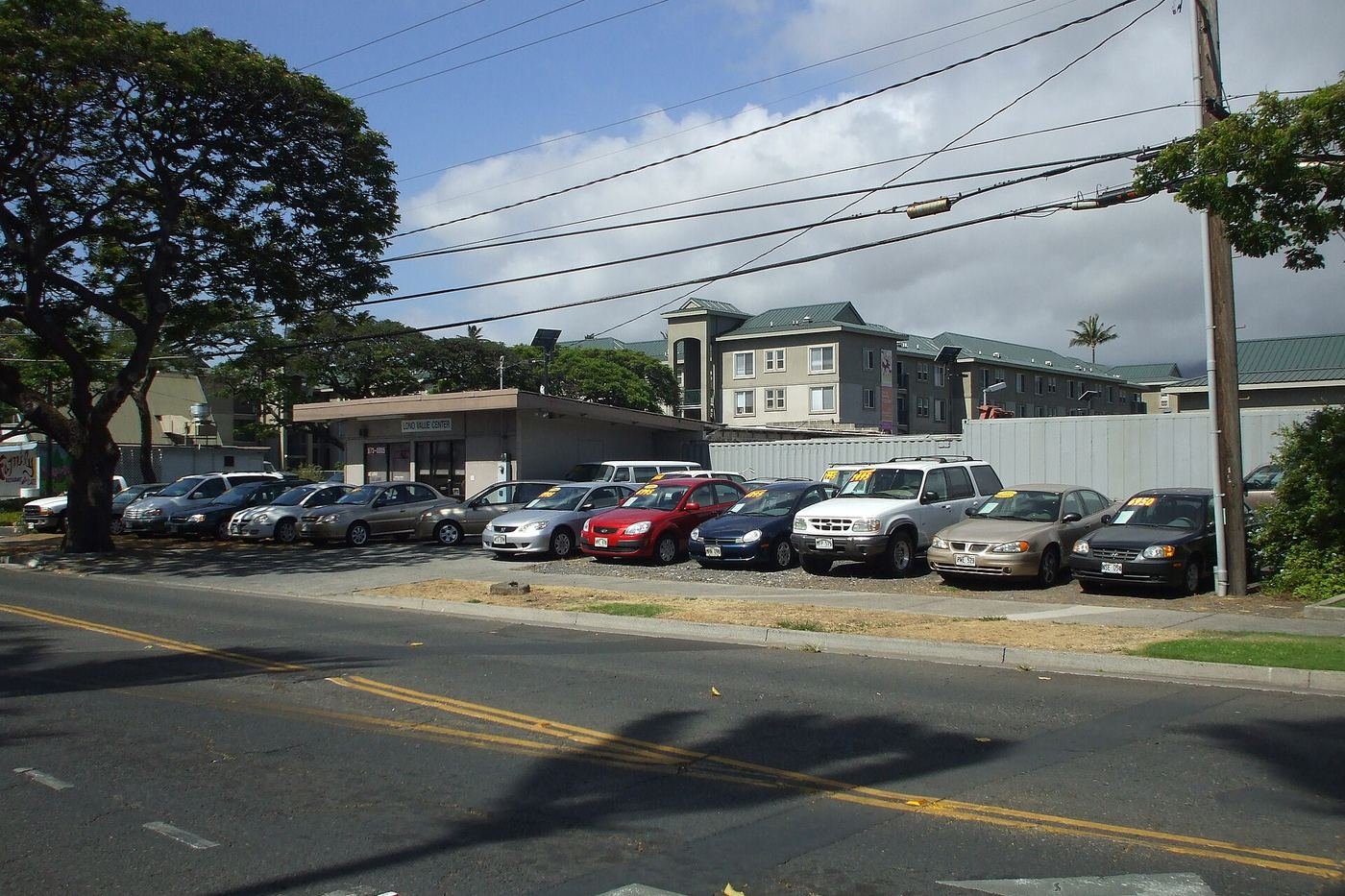
The photo above is a used-car forecourt used as an illustration. It is not an Iraqi address and not a Suuqak listing.
Start from the listing, not the chat
Read the advert twice before you message anyone. Note the make, model, year, mileage, governorate, price currency, and whether the seller is private or a dealer. If the price is wildly out of line with similar cars on Suuqak search, treat that as a question, not a bargain. Ask why. A real reason sounds ordinary: high mileage, a repaint, a missing service book, an urgent sale. A vague reason ("special price today only") is a reason to slow down.
Keep the conversation on the listing long enough to get three things in writing: the chassis number (VIN), a photo of that number on the car, and a list of the papers the seller will show at the viewing. If the seller will not share a chassis number until you send a deposit, stop. A deposit is not how you earn the right to identify the car.
Meet where you can leave
Choose a public place you know, in daylight, with a way to leave without drama. A dealer forecourt, a busy street near a workshop, or a mall parking area is easier than a quiet side street after dark. Take someone with you. If you can, take a mechanic who is paid by you, not by the seller.
Tell a family member where you are going and when you expect to be back. Do not follow a seller to a second location you did not agree in advance, especially if the story changes from "the car is here" to "the car is at my cousin's place across town."
Money moves last
Agree the currency before you travel. Suuqak listings are priced in IQD or USD, and the figure on the advert is the one you should discuss. Do not accept a last-minute switch from one currency to the other without rewriting the deal in front of you.
Do not transfer a "holding deposit" to a personal account for a car you have not seen and identified. Do not pay a courier, a "customs release," or a third party who is not standing with the car. Pay when the car, the keys, and the papers you were promised are in front of you, and when you have matched the chassis number. If a seller needs a small cash token to "stop other buyers," that is a sales tactic. You can say you will come today and decide on the spot.
Match the car to the papers
The chassis number in the advert, the number stamped or plated on the car, and the number on the customs, registration, and ownership papers need to be the same car. Read it character by character. Photos of a number on a different car, or a number that is only in a message, are not enough.
Ask who owns the car today and whether the seller is that person, a relative, or a trader. If the name on the papers is not the person in front of you, ask what authority they have to sell and what the transfer steps are in that governorate. Registration practice is not identical everywhere in Iraq, and Kurdistan Region and federal procedures are not the same conversation. Confirm the transfer path with the traffic directorate where the car will be plated. Do not rely on a stranger's summary of "how plates work."
Look for documents that are missing for the story being told. An imported car with no customs trail, a "GCC car" with no service history and a rebuilt look, or a stack of copies and no originals are reasons to pause. Copies can be useful. They are not a substitute for originals you can hold.
Use the viewing as an inspection, not a ceremony
Walk around the car before you sit in it. Panel gaps, overspray, fresh paint on one corner, a damp carpet, and a trunk that smells musty are notes for the mechanic, not instant proof of anything. The companion guide on flood and salvage damage covers those clues in more detail.
On the road, listen for knocks, watch the temperature, and try the air conditioning at idle. In Iraq, a weak AC or a hot gauge is not a small annoyance. It is a cost. Check that warning lights do the usual bulb check and then go out. A cluster that never lights, or a cluster that is a different shape from the rest of the interior, deserves an explanation.
If the seller will not allow a lift, a chassis reading, or a short drive, you do not have to invent a confrontation. You can leave. Another car will be listed tomorrow. Search current used stock rather than negotiating against a clock the seller invented.
A short checklist before you pay
- Chassis number matches the advert and every original document you were shown.
- You met in a place you chose, with your own mechanic or a companion.
- No deposit left your account before the viewing.
- Currency is the currency on the listing.
- You know who the registered holder is and what the next registration step is. You will confirm that step with the traffic directorate, not only with the seller.
- Test drive done, AC tried at idle, and obvious fresh paint or water clues either explained or walked away from.
- Payment happens when keys and papers change hands, not via an unknown third party.
If something feels wrong
You can report a listing on Suuqak. You do not owe a seller a debate. Screenshot the advert and the chat before they disappear. If money has already moved and you believe you were defrauded, that is a matter for the police and for any payment provider you used, not for a blog post to solve after the fact.
Sources
Buyer-confidence and fraud themes in Iraq's used market are reported by outlets such as Shafaq News. Plate and registration steps differ by authority. Confirm them with the traffic directorate for the governorate where you will register the car. This article is general information, not legal advice.