Heat and EV Batteries: What Gulf and Iraq Owners Must Plan For
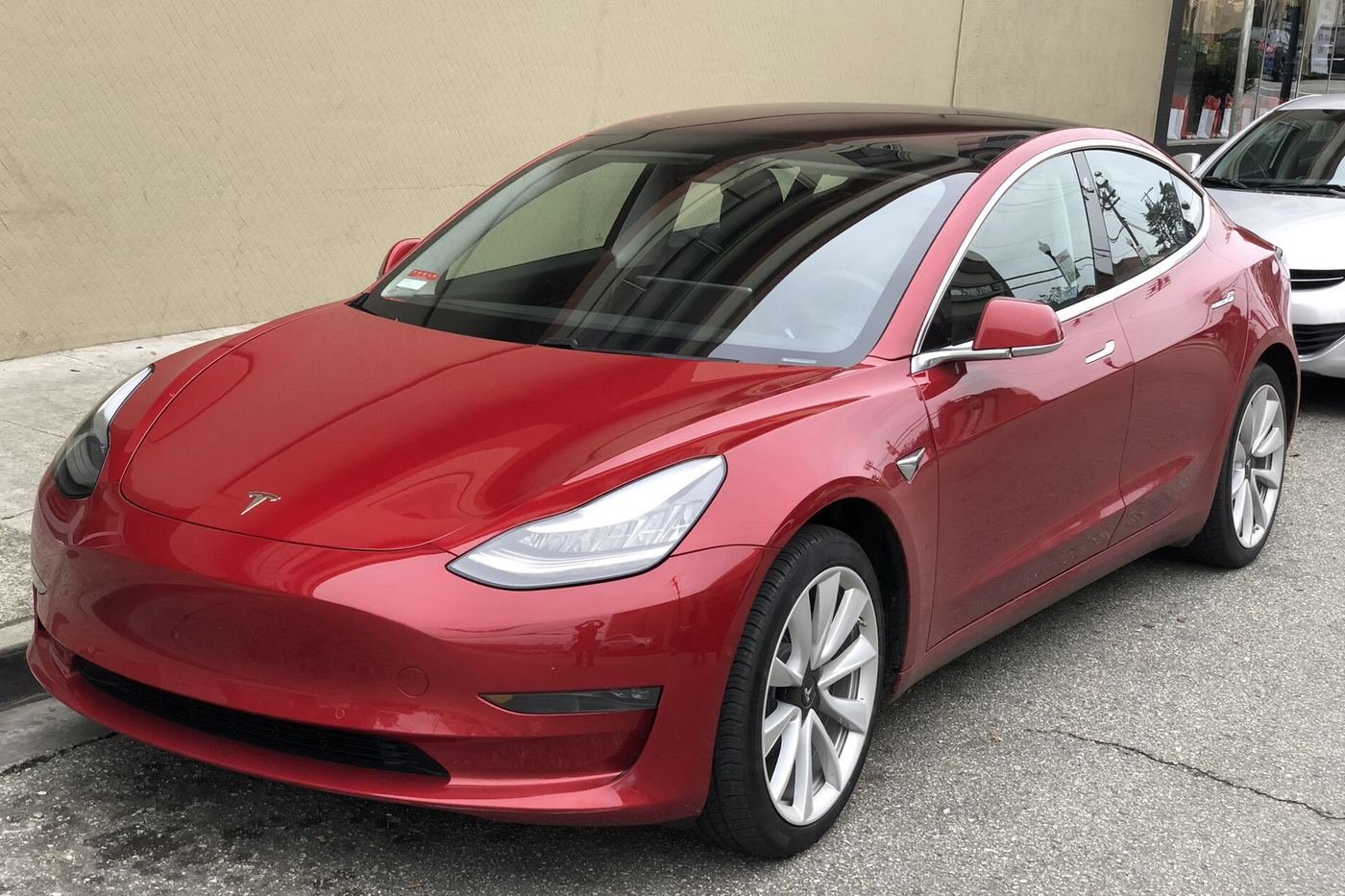
Summer range, cabin cooling, and battery care in extreme heat, explained without invented percentages. The photo is a parked electric car, not a lab test.
Extreme heat is not a surprise in Iraq or the Gulf. It is the climate. An electric car does not ignore it. The cabin has to be cooled, and the battery pack has its own temperature window. Both jobs use energy. That is why a mild spring test drive overstates what the car will do in July, and why owners who plan for heat are calmer than owners who memorize a brochure range. This article will not give you a percent of range you will lose. Manufacturers and climates differ, and a single number would be fake precision.
The photo shows a Tesla Model 3 parked in the sun. It illustrates an electric car in hot weather. It is not an Iraqi test and it is not a measurement.
What the heat actually takes
On a hot day the air conditioning is not a small accessory. It is one of the largest comfort loads, and in slow traffic it runs a long time. In a gasoline car that load comes from the engine. In an EV it comes from the battery. You feel it as less distance than the screen suggested in April. You also feel it if you cool a soaked cabin from scratch in a parking lot, which is the most expensive way to use AC. The energy for that first blast is real.
The pack itself may heat up from the weather, from fast charging, and from hard driving. Cars manage this with their own cooling circuits. You do not service that circuit with a garden hose. You do notice when the car limits charging speed or shows a temperature message. Read the manual for what that message means on your model. Advice that treats every EV as the same chemistry is how forums mislead people.
Preconditioning, and why the plug matters
Many EVs can cool the cabin, and sometimes prepare the battery, while they are still plugged in. The energy then comes from the building instead of from the kilometers you hoped to drive. If your car supports that, use it before you leave on a hot afternoon. If it does not, open the doors for a minute, start the AC, and accept that the first part of the trip is the car making the cabin livable.
Preconditioning only helps if you are plugged in at home or at a charger you trust. It does not help if the plan was a public pin that is occupied. The charging reality check is the companion article. Heat makes a thin charging map stricter, because you have less margin for a detour.
Parking and daily habits
Shade is not a gimmick. A car that sits in full sun all day starts the evening hotter, in the cabin and often in the pack, than a car that sat under a roof. You will not always have shade. When you do, use it. A reflective screen for the windshield is ordinary summer practice for any car. It does not replace AC. It reduces the peak you ask the AC to fix.
Follow the manual on how full to charge in hot weather. Some makers suggest you do not leave the car sitting at a very high state of charge in extreme heat if you do not need the range that day. Some do not. This article will not pick a percentage for your car. The manual will. If a salesperson contradicts the manual, keep the manual.
Avoid repeated fast charges back to back on the hottest days if the car starts limiting speed. That limit is the car protecting itself. Fighting it with a different adapter does not remove the heat. Slow overnight charging at home is the kinder pattern, which is another reason home charging matters more in Iraq than a fast-charger fantasy.
Trips
Plan summer highway trips with spare margin and with a charger you have checked, not with the brochure range. If you do not have that charger, do not take the EV. Take the household's fueled car, or do not go in the electric one. Arriving at a dark pin with a hot pack and a hot family is a bad evening. PlugShare can help you look. It cannot guarantee the pin.
A plug-in hybrid or a plain hybrid does not have this cliff. When the battery is low or hot, you still have gasoline. That is a legitimate reason to choose one. It is described in the powertrain comparison. Heat does not make those cars free of cooling checks. Their radiators and condensers still clog with dust. The inspection checklist still applies.
What not to believe
Do not believe a single percentage posted under a video. Do not believe that EVs "cannot handle" Gulf heat as a blanket claim, and do not believe they are unaffected. Owners in hot countries do use them. They also change how they park, charge, and plan. Do not believe that a bigger battery erases bad planning. It postpones it.
Flooded EVs are a separate subject. Water and a high-voltage pack need a specialist, not a dry-out in the sun. If the car's history is an auction near a storm, read the salvage guide and walk away unless a qualified shop will inspect it in writing.
A short plan for July
- Charge at home overnight. Do not depend on a public post you have not called.
- Precondition while plugged in if the car allows it.
- Prefer shade. Use a sunshade.
- Follow the manual on charge level in extreme heat.
- Leave margin on highway days, or take another car.
- If the car warns about temperature, believe it and read the manual.
- Keep the ordinary cooling and AC inspection. Electric cars still have condensers and cabin filters.
Sources
This is owner-level guidance, not a laboratory result. No range-loss percentage is stated because this desk has not measured your car in your city. Charger leads: PlugShare. Battery care details: the manual for the VIN you own.